

Hauswarm's 1:1 Conversation Design Sessions [the companion guide]
a companion guide to our process for translating ideas, questions, and community dialogue into bespoke conversation cards


this is the companion guide we send to clients we work with on one-off conversation designs.
in a 1:1 hauswarm session, the final artifact we create together is a guided, ordered set of conversation cards. if the project needs to become something else — a facilitation structure, dinner format, workshop flow, or larger gathering design — we can discuss that separately. but the card deck is the starting form because it is portable, tactile, and specific enough to force the right design questions.
whether the cards are for a dinner, a team conversation, a classroom, a family gathering, a community, or a body of work you want people to engage with differently, the underlying process is the same: we begin by understanding what kind of conversation needs to happen, who it is for, and what conditions would make that conversation possible.
some people come in with a published work. some come in with a research project. some come in with a community question, a personal body of knowledge, or a feeling that a certain conversation is missing but not yet fully named.
the work is to turn that intuition into a designed object.
if you’re here for the first time and going through the design process with us, you’ll continue below.
1. what is conversation design?
conversation design is a method, in the same way interior design is a method.
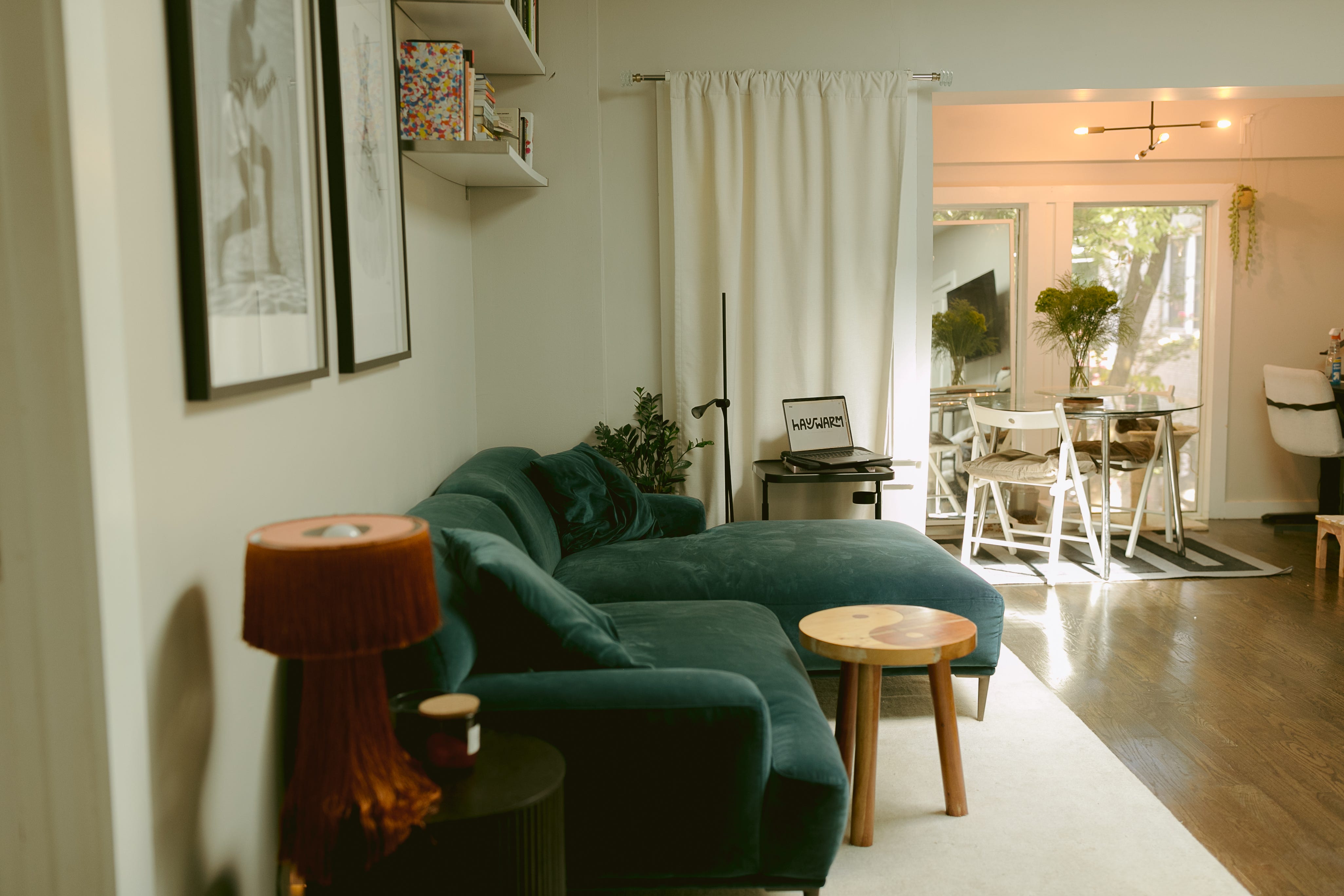
an interior designer looks at a room full of furniture, walls, lighting, and people, and figures out what’s not working and why. the people living in the space usually can’t see it themselves; they know something feels off, but they don’t realize it’s because the couch is facing the wrong direction, or because there’s no surface near the door to put their keys down. the designer’s real skill is seeing what’s missing in a space that the person who lives there has stopped being able to see.
conversation design does the same thing, but for dialogue. the conditions that make certain conversations possible, or impossible, are shaped by environments, roles, norms, and artifacts, before anyone opens their mouth.
a company trying to have a hard conversation about culture during an all-hands meeting isn’t failing because the people in the room can’t communicate; it’s failing because the container can’t hold that conversation. a university trying to build community through a networking mixer isn’t failing because students don’t want to connect; it’s failing because the structure rewards small talk, not depth.
in both cases, the impulse is right. someone recognized that a conversation needed to happen. but the room was wrong for it.


2. three types of gatherings
most gatherings have one primary purpose, and at hauswarm we sort them into three types:
sustain gatherings exist to maintain relationships, mark milestones, or keep things going. thanksgiving dinner, a sunday service, an annual board meeting, a memorial. they’re about preservation and continuity; without them, relationships atrophy and shared culture gets lost.
exchange gatherings create opportunities for goods, services, ideas, or inspiration to circulate. networking happy hours, conferences, farmers markets, book clubs, workshops. they’re transactional by design, oriented toward mutual benefit and the flow of resources.
change gatherings exist to leave people, places, or systems different from how they were before. a teach-in that reshapes how people understand an issue. a long dinner where something difficult is finally said out loud. a healing circle. a late-night kitchen-table conversation where people leave seeing each other differently. these prioritize transformation over maintenance or exchange.
most change gatherings still include sustaining and exchanging (people connect, share resources, strengthen bonds), but those outcomes are secondary; the gathering is designed first and foremost to leave participants changed.
hauswarm focuses on change gatherings, because we think there’s a shortage of intentionally designed spaces for transformation. your card deck doesn’t have to be for a change gathering, but knowing which type you’re designing for matters, because a deck built for a sustain gathering looks very different from one built for exchange or change.
here are a few of our case studies, if you’d like to briefly explore them:
Case Study 04: Designing 10 Conversations in One Room (Pixel Recess, Atlanta)

I’ve always loved when handcrafted brands show how their products are made. Once I learn that a very specific design detail was intentional, it feels like noticing an Easter egg in a movie. And then suddenly I start picking up on all the other little decisions too.


four kinds of change
if your cards are aiming for change, it helps to get specific about what kind. we design for four:
Keep reading with a 7-day free trial
Subscribe to Hauswarm: The Conversation Design Agency to keep reading this post and get 7 days of free access to the full post archives.